Lars Bauer · 21 October 2026
Mapping Crawl Frequency Signals Against Content Update Patterns in High-Traffic E-Commerce Environments
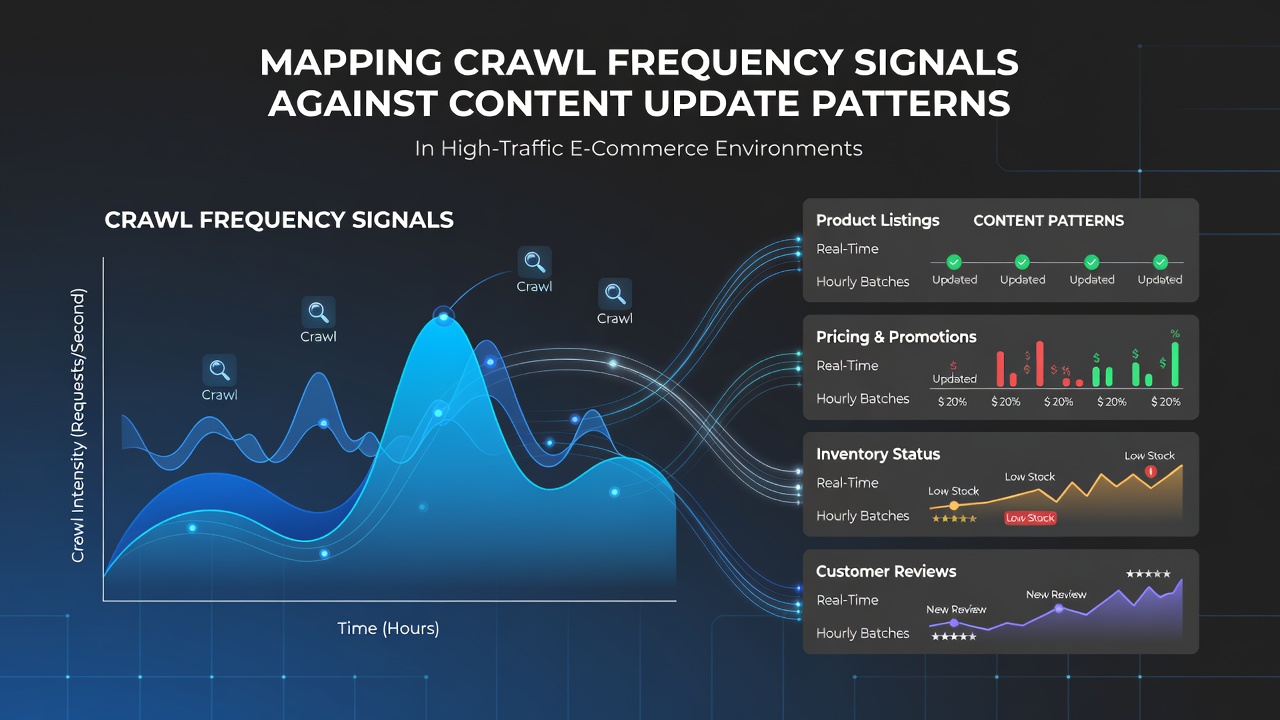
High-traffic e-commerce platforms generate vast amounts of dynamic content, and search engine crawlers respond to these changes through measurable frequency signals that observers have tracked across multiple platforms since the expansion of structured product data. Researchers discovered early correlations between update velocity and crawl allocation, where sites that refresh inventory listings at consistent intervals tend to receive more frequent visits from automated agents, while sporadic updates produce irregular patterns that affect indexing speed.
Core Components of Crawl Frequency Analysis
Analysts measure crawl frequency through server log examination that records each bot visit along with timestamps and response codes, and this data reveals clusters of activity around high-velocity product categories such as electronics or apparel that undergo rapid price adjustments. Studies show that e-commerce sites averaging several thousand daily updates often see crawl rates climb during peak retail seasons, whereas stable categories like home furnishings maintain steadier but lower frequencies because their content remains static for longer periods.
Content update patterns break down into several distinct types that include price revisions, stock level changes, new product introductions, and metadata refinements, and each type triggers different crawler responses according to data collected from large-scale retail environments. Price fluctuations tend to draw quicker revisits because they directly influence search rankings for commercial queries, while stock adjustments sometimes receive lower priority unless tied to promotional campaigns that increase overall site signals.
Establishing Reliable Mapping Frameworks
Mapping these signals requires alignment of log-derived crawl timestamps with internal content management system records that log every modification, and teams accomplish this through timestamp synchronization tools that match server events to update events without introducing latency errors. One study revealed that platforms using automated reconciliation scripts achieved higher accuracy when identifying which update types consistently preceded increased crawler activity, particularly in categories with seasonal demand spikes.
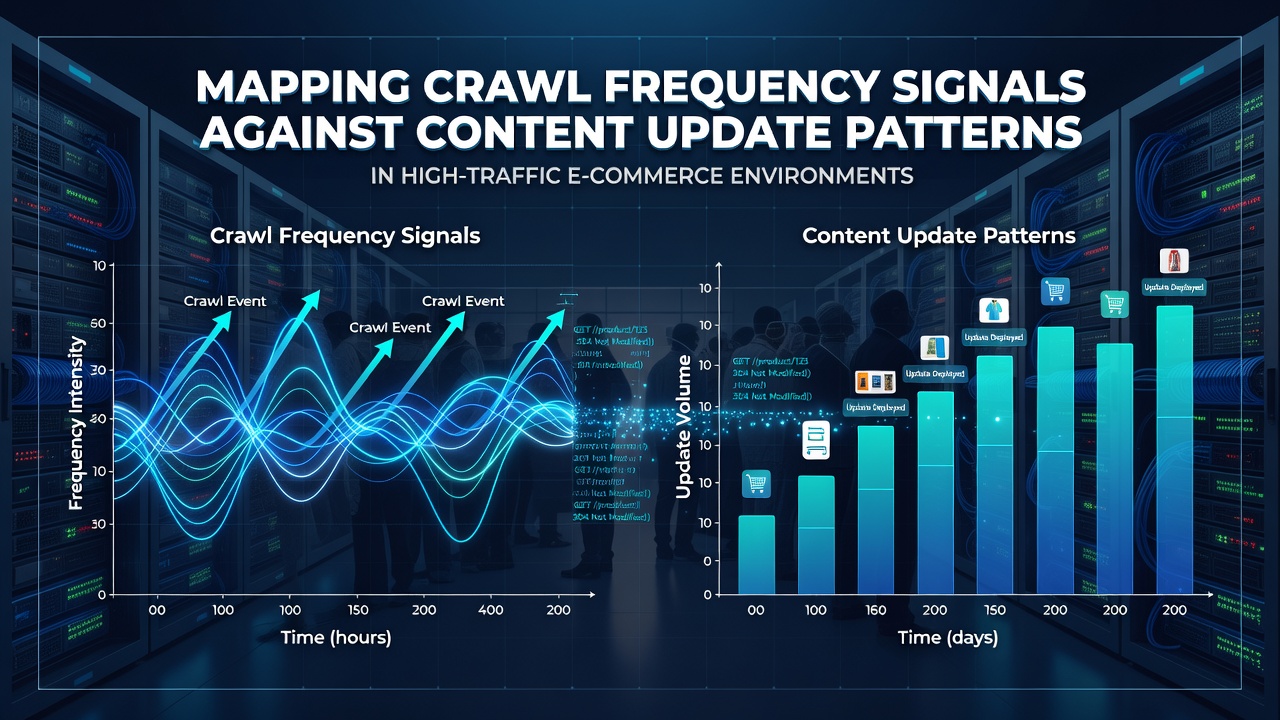
October 2026 data sets from major retail operators indicated that sites integrating real-time inventory feeds experienced crawl frequency increases of up to 40 percent in the weeks leading into holiday shopping periods, while sites relying on batch updates showed more gradual rises that sometimes lagged behind competitor indexing. These patterns hold particular relevance for global platforms operating across multiple time zones because update timing influences when crawlers allocate resources during regional peak hours.
Technical Implementation in Large-Scale Retail Systems
Implementation begins with establishing baseline metrics that capture average crawl intervals per URL category, after which teams overlay update logs to identify deviations that signal either under-crawling or excessive resource consumption. Observers note that successful mappings often incorporate machine learning models trained on historical pairs of update events and subsequent crawl records, allowing predictive adjustments before traffic surges occur.
High-traffic sites face additional constraints because server capacity limits how quickly they can respond to simultaneous crawler requests, and this creates feedback loops where rapid content changes temporarily reduce available crawl budget until infrastructure scales accordingly. Research indicates that platforms distributing updates across off-peak windows maintain more stable crawl patterns, whereas those pushing mass changes during business hours encounter throttling that delays full indexation of new material.
Geographic and Platform Variations
Regional differences appear when comparing North American retail operations against European counterparts, where data protection requirements sometimes slow metadata refreshes and produce corresponding dips in crawl frequency, according to figures compiled by the European Commission's digital market monitoring reports. European Commission digital market monitoring reports highlight how regulatory timing affects update cadence in ways that directly influence crawler scheduling across borders.
Meanwhile, Australian e-commerce operators documented in industry analyses from the Australian Bureau of Statistics demonstrate steadier update-to-crawl alignments in categories with strict product safety compliance cycles, showing that external regulatory calendars can override purely commercial update drivers. Australian Bureau of Statistics retail trade data provides supporting context on how compliance-driven changes shape overall site activity levels.
Conclusion
Effective mapping of crawl frequency signals against content update patterns ultimately depends on continuous data alignment between server logs and content systems, combined with region-specific adjustments that account for regulatory and seasonal factors. Platforms that maintain synchronized records achieve clearer visibility into how their update strategies influence indexing timelines, supporting more efficient resource allocation across high-traffic retail infrastructures.